
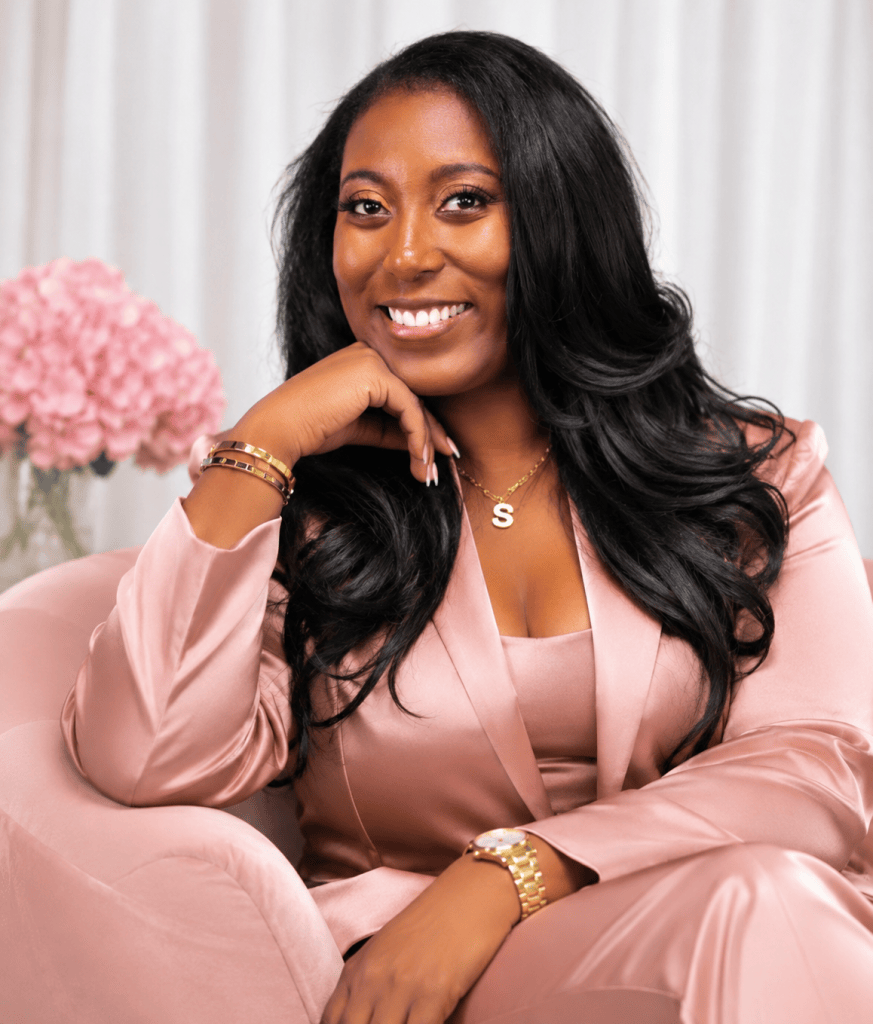
I thought I had closed that chapter of my life. Three years, 12 fibroids, and one surgery later, I was finally feeling like the woman I had always wanted to become. Then came October 22.
There is a particular kind of relief that comes when you finally feel good in your body. Not just physically, but mentally and emotionally, too. You wake up feeling lighter, your confidence begins to return, and the little things that once made you uncomfortable no longer occupy so much space in your mind.
For me, that feeling came after having 12 fibroids removed.
Before my 30s, I made a decision that I wanted to address my fibroids. I didn’t want to carry the discomfort, insecurities, and physical challenges that had become part of my everyday life into another chapter. I wanted to feel good about myself. I wanted to feel healthy. I wanted to experience life without constantly having to consider what my body might put me through, and that’s exactly what I did.
After surgery, things began to change. The weight I had been carrying started to come off, and I noticed a difference in how I felt about myself. I had fewer insecurities, my periods were no longer painful, and my iron levels were finally looking great. Even my routine doctor’s appointments became something I didn’t dread. Everything seemed to be moving in the right direction.
My confidence was at an all-time high. I was feeling like the woman I had envisioned becoming, and for a while, it felt like the fibroid chapter of my life was finally behind me, but sometimes, life has a way of reminding you that just because you’ve overcome something once doesn’t mean you won’t have to face it again.
Fast forward three years.
Things started changing, and at first, I couldn’t quite put my finger on what was happening.
My weight began picking up rather quickly. My iron levels were dropping, my periods were becoming heavier than usual, and I started noticing changes in my body that felt familiar. Then one night, I woke up out of my sleep with a pain I vividly remembered experiencing years ago when I had those 12 fibroids.
I knew that feeling.
It’s interesting how your body can remember something your mind has tried to put behind you. I couldn’t help but wonder if I was experiencing the same thing all over again.
During my annual doctor’s appointment, I brought up my concerns. I explained that something felt different. My periods were heavier, I suspected my hormones were off, and I just didn’t feel like myself. My doctor ordered bloodwork, which revealed that my iron levels were low. She then requested ultrasounds so we could take a closer look and determine whether fibroids had returned.
I agreed, although I think a part of me already knew what we might find.
October 22 was an ordinary workday.
I had just finished teaching my last class and was wrapping up my day when my phone rang at 3:34 p.m.
I looked down at the caller ID. It was my doctor’s office. I knew exactly what the call was about.
There is something about receiving medical news that can make an otherwise ordinary day stand still. I answered, and the news was what I had quietly suspected: my fibroids were back.
This time, they were less than a centimeter.
I wasn’t necessarily surprised, but hearing those words still brought a lot of questions to mind. How? Why? What happened? I had already gone through surgery. I had made changes to my lifestyle. I had worked toward getting healthier. I thought I was doing everything right.
So why was I here again?
I think that’s one of the more frustrating parts of navigating a recurring health condition. You can make progress, celebrate the improvements, and genuinely believe you’ve turned a corner, only to discover that there is another chapter to work through.
Here’s something I’ve had to remind myself: The return of fibroids does not mean I failed at taking care of myself.
Uterine fibroids are noncancerous growths that develop in or around the uterus. They are common, and while some women experience little to no symptoms, others deal with heavy menstrual bleeding, pelvic pain or pressure, and complications such as iron-deficiency anemia. Symptoms can vary depending on the size, number, and location of the fibroids.
Fibroids can return after treatment or surgery. Removing existing fibroids does not necessarily prevent new ones from developing. There are several factors associated with fibroid development, and researchers continue to study why some women experience them while others do not.
One thing I want women to understand is that having fibroids is not a reflection of how well you take care of yourself. Eating healthier, exercising, and making lifestyle changes can support your overall health, but they are not guaranteed to prevent fibroids or keep them from returning.
This is why paying attention to your body and maintaining a relationship with your healthcare provider are so important.
Heavy periods should not automatically become something you learn to live with. Persistent fatigue, changes in your menstrual cycle, pelvic discomfort, and symptoms associated with low iron deserve attention. If something feels different, speak up. Ask questions. Request additional testing when appropriate, and if you feel like your concerns aren’t being addressed, don’t be afraid to seek another medical opinion.
I learned that listening to my body is just as important as showing up for my annual appointments.
So, where do I go from here?
Honestly, I’m taking it one day at a time.
I won’t pretend that hearing my fibroids have returned was something I celebrated. I have questions, and I am still processing what this means for my health moving forward, but I also refuse to allow this news to consume me or make me feel like all the progress I’ve made has somehow been erased.
I’ll continue working toward healthier eating habits, being more consistent with exercise, and exploring supportive wellness practices with guidance from my healthcare provider. I’ll also continue monitoring my iron levels and discussing my options for managing the fibroids with my doctor.
I know better now than I did three years ago. I know what questions to ask, what symptoms to pay attention to, and how important it is to advocate for myself.
Perhaps that’s the biggest difference between the woman who had 12 fibroids removed before her 30s and the woman who received this phone call at 3:34 p.m. on October 22.
I’m still her, but I’m also a woman who has learned a little more about her body, her strength, and the importance of putting her health first.
To the woman reading this who has been diagnosed with fibroids, had surgery, experienced a recurrence, or is quietly wondering whether something isn’t right with her body: I want you to know that you are not alone.
Don’t minimize your symptoms. Don’t dismiss your discomfort because someone else has it worse. Don’t allow embarrassment to keep you from having conversations about your reproductive health, and please, don’t measure your progress by whether or not your health journey is perfectly linear.
Sometimes taking care of yourself means celebrating the wins. Other times, it means making another appointment, asking another question, or accepting that you need to revisit something you thought was behind you.
I’m not going to let this diagnosis define the next chapter of my life.
My fibroids are back, but so is my commitment to myself.
This time, I’m approaching the journey with a little more knowledge, a lot more self-awareness, and the understanding that taking care of myself is not a one-time accomplishment. It’s a lifelong commitment.
Here’s to listening to our bodies, advocating for our health, and giving ourselves the grace to navigate the unexpected.
Have you ever experienced fibroids? Were you diagnosed, did you undergo surgery, or have you experienced a recurrence? What has your journey been like?
I’d love to hear your story. Whether you’re currently navigating fibroids, have overcome them, or are still trying to understand your diagnosis, your experience matters.
Let’s continue having the conversations about women’s health that deserve more attention. You never know who might need to hear your story.
