
Sometimes the people, places, and relationships you thought were safe become the very things you have to heal from.
If I’m being completely honest, 2026 has been an emotionally disappointing year for me. And not necessarily in one particular area of my life. It’s been a little bit of everything.
From romantic relationships to friendships and even business relationships, I’ve experienced situations that have forced me to reevaluate people, expectations, and, most importantly, myself.
At the beginning of the year, I experienced a relationship that left me with more emotional baggage than I anticipated. There were things I had to process, things I had to accept, and moments when I genuinely had to ask myself how I ended up in a situation I never imagined I would be in. Trust was broken, and the emotional aftermath wasn’t something I could simply shake off because the relationship was over.
Then there were business relationships and friendships that came with their own disappointments. People I thought I could trust, people I had conversations and plans with, and people I genuinely wanted to see win. Some situations didn’t turn out the way I expected, and others revealed things I probably needed to see.
Here’s something nobody really prepares you for about navigating disappointment in your 30s: You still have to live your life.
You still have deadlines, bills, business responsibilities, meetings, events, and people who expect you to show up. You still have dreams you’re working toward. You might be dealing with something emotionally exhausting, but the world doesn’t necessarily stop to give you time to process it.
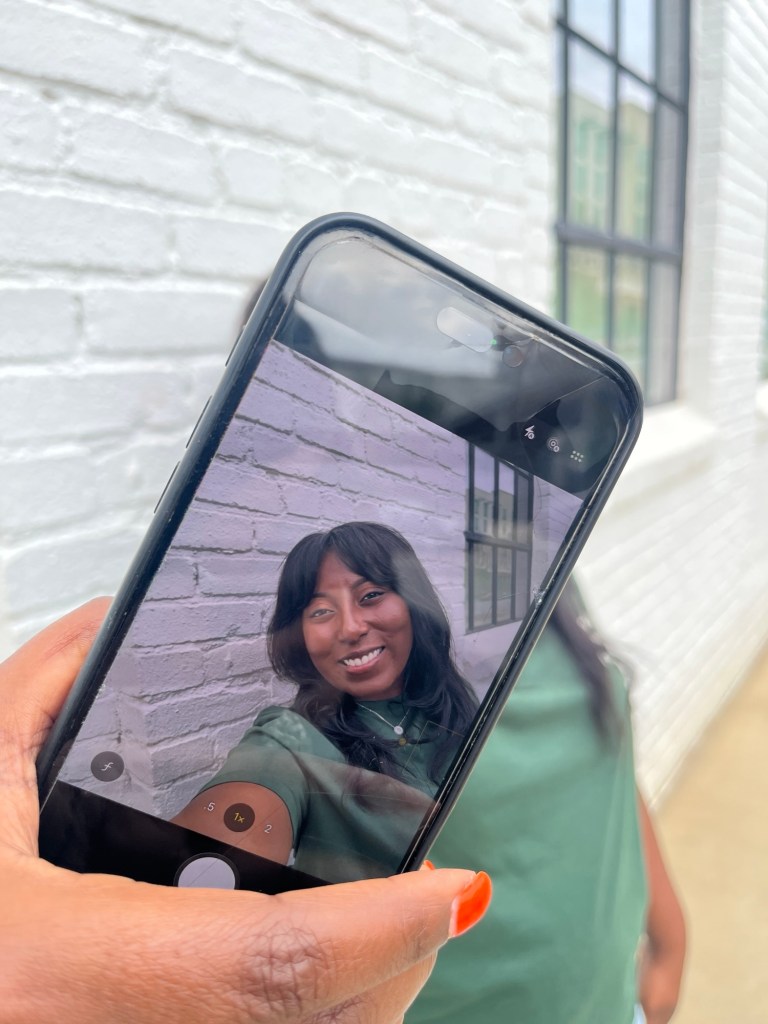
You can be having a difficult week and still have to teach a class, show up for a client, attend an event, work on a business project, or create content. Sometimes you’re smiling in pictures, making plans, and celebrating other people while privately trying to make sense of something that hurt you.
Honestly, that can be exhausting.
I’ve learned that healing doesn’t always look like taking a vacation, disappearing from social media, or having some grand breakthrough. Sometimes it looks like getting out of bed, keeping a commitment to yourself, and deciding that what happened to you isn’t going to determine what happens next.
I’m not claiming to have it all figured out, but there are four things I’m intentionally working on as I navigate this season.
1. I’m Allowing Myself to Be Disappointed Without Living There.
For a long time, I think we convince ourselves that being strong means not allowing things to bother us. We brush things off, tell ourselves we’re good, and keep moving.
I’ve learned that acknowledging disappointment doesn’t make you weak. Sometimes you have to admit that something hurt. You have to acknowledge that you expected better from someone. You have to accept that a friendship, relationship, or business connection didn’t turn out the way you envisioned.
I’m learning not to rush myself through those emotions. I can be disappointed and still be grateful for my life. Both things can exist at the same time.
2. I’m Learning to Show Up for Myself.
This one is especially important.
I’ve had moments this year when I didn’t necessarily feel like being social, attending events, creating content, or putting myself out there. But I also know that I have goals that require me to participate in my own life.
So I’m making an effort to keep showing up.
That means attending the matcha event, going to the soccer game, working on my next project, taking the trip, making plans, and finding reasons to enjoy my life.
I refuse to let disappointment convince me that there’s nothing left to look forward to. There is still so much life to live, and I don’t want to miss it because I’m too busy processing what didn’t work out.
3. I’m Becoming More Intentional About Who Gets Access to Me.
One thing disappointment will teach you is that everybody doesn’t need the same level of access to you.
I’m learning that just because I have a history with someone doesn’t mean they automatically deserve a permanent place in my life. And just because I see potential in a friendship or business relationship doesn’t mean I should ignore the signs when something isn’t working.
I’m not interested in becoming cold, guarded, or suspicious of everybody. I still believe in genuine friendships, meaningful relationships, and good business partnerships, but I am learning to pay attention to consistency, reciprocity, and actions. Access to me is something I want to be more intentional about giving.
4. I’m Making Room for New Experiences.
I don’t want my entire 2026 story to be about the people who disappointed me.
There are still places I want to visit, events I want to attend, experiences I want to have, and things I want to accomplish. I want to laugh more, dress up more, take more pictures, try new restaurants, meet new people, and enjoy the little things.
Sometimes healing means giving yourself permission to experience something new without feeling like you have to be completely healed first.
I don’t need every chapter of my life to be a lesson about what went wrong. Some chapters can simply be fun.
I think that’s something we should remind ourselves of more often.
I’m Still Here, and That’s Worth Something.
If 2026 has taught me anything, it’s that disappointment can come from places you never expected. Sometimes it’s the romantic relationship you thought had potential. Sometimes it’s a friend you thought would show up. Other times, it’s a business relationship that reminds you that not everyone operates with the same intentions.
I’m learning not to make permanent decisions about my happiness based on temporary seasons of disappointment.
I’m still building. I’m still creating. I’m still pursuing the things I said I wanted. I’m still open to good people, genuine connections, and new opportunities.
And yes, I’m still healing.
I don’t have a perfectly packaged story about overcoming everything. Some days are better than others, and there are still things I’m processing, but I’m choosing to be present in my own life instead of waiting until everything feels perfect to enjoy it.
So, if you’ve found yourself navigating betrayal, disappointment, or unexpected changes in your 30s, here’s your reminder: You don’t have to pretend it didn’t hurt, and you don’t have to let it become your entire story.
You can acknowledge what happened, learn what you need to learn, adjust your boundaries, and keep living.
The goal isn’t to become a woman who never gets disappointed. It’s to become a woman who doesn’t abandon herself when disappointment comes.
And that’s exactly what I’m working on.
